
Ethical Dilemmas in Mental Healthcare

Discussions on mental health and its components have filled rooms—and emptied some. Along with mental healthcare come ethical dilemmas that touch on understanding the conditions, situations, and processes of mental health institutions.
Even with society’s incredible progress compared to two centuries ago, ethical dilemmas, such as those related to custodial care in mental health and treatment issues, remain relevant in communities.
Mental Healthcare and Ethical Issues
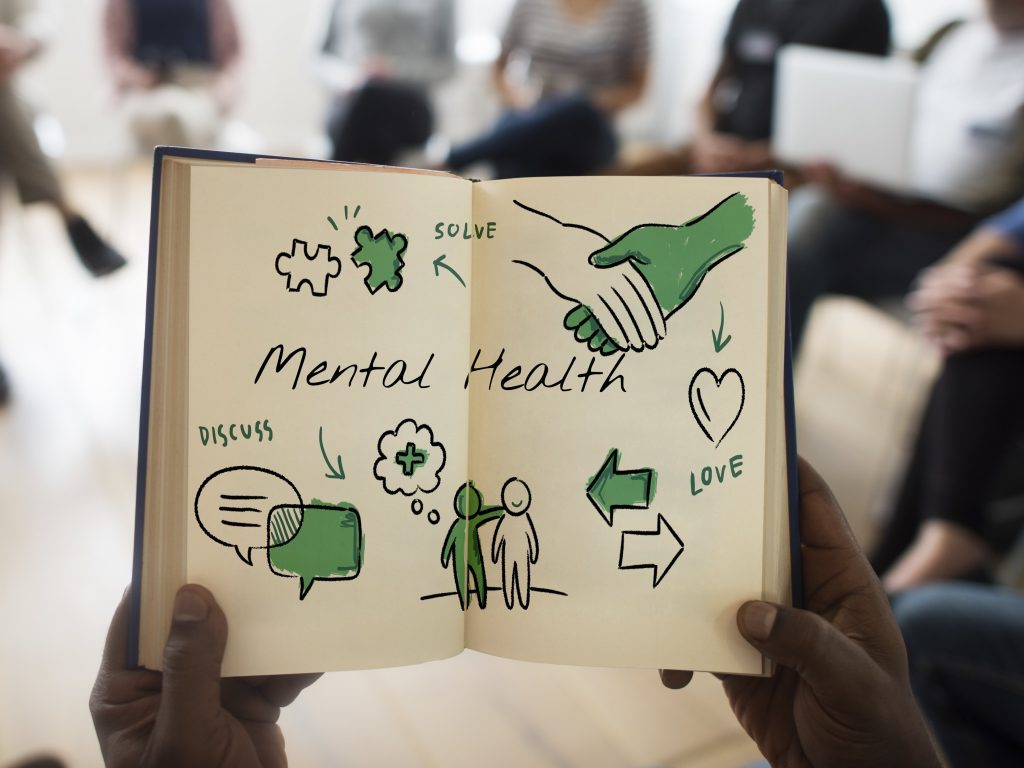
A few years ago, the National Alliance on Mental Illness (NAMI) released a list of fast facts for public consumption. In 2021, NAMI stated that 22.8% of U.S. adults have experienced mental illness, regardless of its severity. People suffering from mental health problems are in the millions, and it’s hurting many communities.
Ethical dilemmas and concerns impact the quality of treatment and the trust in the healthcare system. It shapes how people perceive the institutions that help them improve their lives. So, what ethical dilemmas in the mental healthcare systems are pressing right now?
- Involuntary Treatment and Patient Autonomy – Every person has autonomy over their body; it’s their right under the Constitution. But what happens if that specific person has mental health issues? Should someone be forced into treatment if they pose a risk of harming themselves or others in the community? Healthcare providers struggle between respecting a person’s rights and recognizing possible dangers. For others, it’s a violation to coerce someone into staying in a facility. But for some, it’s necessary for the protection of the community.
- Access and Equity in Care – Mental healthcare treatments should be accessible and equitable for all. But what if it’s not like that? Unfortunately, inpatient psychiatric facilities and mental healthcare asylums are not available to everyone. In comparing urban and rural areas, rural communities have less access to essential medicines and facilities. Moreover, low-income individuals and people of color do not have access to or have less access to mental healthcare drugs and programs that would help them.
- Overmedication vs. Under-treatment – Patients are either institutionalized for treatment or are experiencing therapeutic confinement. But there is no individualized care for them. A couple of people may have the same mental health issue, but the level of pain, discomfort, and uncertainty for each person is different. And so, some patients receive too much medicine and others are neglected. Without proper therapy and a holistic approach, these drugs are not enough to lessen the burdens felt by patients.
- Confidentiality vs. Duty to Warn – Doctor-patient confidentiality is sacred. However, it comes under fire when the patient might be a threat to society. Will therapists or doctors be forced to disclose the secrets to the public? Or will the patients’ privacy weigh more? According to the law, healthcare providers are permitted to warn others about potential dangers. But clinicians should have discretion in these situations.
- Stigma and Discrimination – Mental health patients face discrimination and stigma every day. From public spaces to their homes, these people encounter unending negative comments and sneers from others who don’t understand their situations. Hence, healthcare facilities and institutions have to help fight discrimination and end disinformation about mental health patients. It becomes an ethical dilemma when medical practitioners also discriminate against patients. So, clinicians must educate themselves to be better companions to people suffering from mental instability.
The Gray Zone: Real-World Cases
Ethical dilemmas in healthcare are visible in hospitals, courtrooms, and communities. Here are some examples of cases about mental health struggles for people.
- Case of Involuntary Commitment – Involuntary psychiatric treatment is when individuals deemed as incapable of thinking for themselves are forced to submit themselves to receive help. They refused to get the necessary help, and so professionals had to intervene. In the O’Connor vs. Donaldson (1975) case, the U.S. Supreme Court ruled that non-dangerous individuals who have mental illnesses cannot be confined. And so, healthcare providers would decide when to step in during difficult situations.
- Medication and Profit Debate – The pharmaceutical industry influences and controls the influx of medicine. Additionally, they manage the availability and production of drugs. An ethical dilemma example is the opioid epidemic. These pain-relieving drugs, whose purpose was to alleviate physical pain, were overused by patients. However, profit-driven individuals are selling these items and raking in money. It poses the question: Is profit more important than the well-being of a mentally ill person?
- Homelessness and Mental Health Crisis – Having a home makes coping with problems easier. But mental problems can undermine and impair the abilities of individuals. Eventually, they lose their livelihood, relationships, and homes. With that, some people living with serious mental health issues are staying on the streets and not receiving any help. It’s a crisis that social workers are working on every day.
- Digital Therapy and Data Privacy – Online connectivity influences everything. Now, there are online therapy sessions, AI chatbots, and mental health apps for people struggling with life. However, a 2022 study from Mozilla Foundation found that 59% of mental health apps shared their users’ information to third parties without consent. And then, it sparks questions about the ownership of the data.
- Cultural and Racial Bias – There is implicit bias in diagnosis and treatment, especially for minority patients. Some have been misdiagnosed or overdiagnosed due to cultural misunderstandings and a lack of data. This cultural and racial bias is well-documented by the book Asylum Scandals. Marginalized patients are often silenced, mistreated, and institutionalized under vague pretenses.
Lessons from History: Asylums and Abuse
During the 19th and 20th centuries, asylums were places of abuse, neglect, trauma, exploitation, and pain. Patients, who are completely sane, were committed without consent and had false accusations. A simple accusation can lead to being confined in an asylum.
The patients who are truly dealing with mental health issues cannot share their experience with the public. Instead, they are shunned for their misfortune.
The book Asylum Scandals captures the hidden stories from Minnesota’s state hospitals. While it only focuses on Minnesota, it sparks the curiosity of others about the other localities and their hospitals.
Life—and everything in between—is somehow better than it was decades ago. Yet, ethical challenges persist in different communities and spaces. Modern mental healthcare should be more compassionate, transparent, and science-centered. A holistic approach to healing should also be considered.
Asylum Scandals offer a variety of stories that shaped public perception about mental health problems. If you’re interested in discovering the scandals and stories, you can grab a copy of this fantastic book today.

0 Comments