
Quinceañera Dark History Cultural Background Information
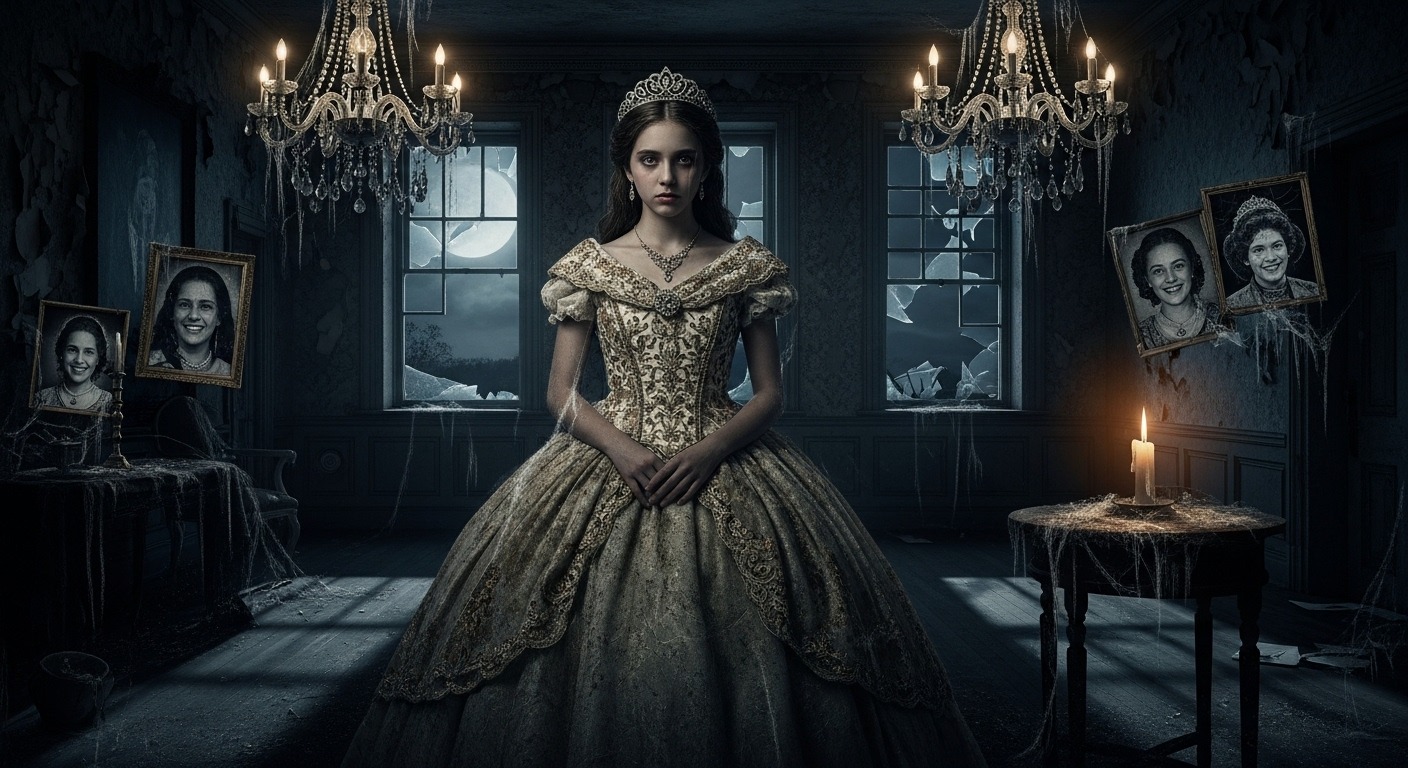
A quinceañera is a beautiful party. It celebrates a girl’s 15th birthday. She wears a big, pretty dress like a princess. There is a waltz, a cake, and lots of presents. It is a happy day for families in Latin American cultures.
But this celebration has a secret history. It is a story that goes back hundreds of years. It involves ancient tribes, powerful empires, and big changes. The quinceañera we see today was shaped by a sometimes difficult past.
This article will guide you through the amazing story of the quinceañera. You will learn about its deep cultural roots. You will also discover the dark history behind the tradition. Finally, you will see how it became a joyful modern celebration. Let’s begin this journey.
Key TakeAways
hide
What Is a Quinceañera?
A quinceañera is a coming-of-age ceremony. It happens when a girl turns 15. The word “quinceañera” means “fifteen-year-old” in Spanish. It marks her transition from being a child to becoming a young woman.
The party is like a mix of a birthday and a wedding. The girl, called the quinceañera, often has special friends and family members called a “court of honor.” There is a religious mass, a big reception, and a father-daughter dance.
It matters today because it is a way for families to honor their heritage. It is a day full of love, tradition, and hope for the future. It shows a young woman that her family and community support her.
The Cultural Background of Quinceañeras
The quinceañera did not just appear one day. Its ideas are very old.
- Where it started: The tradition began in Mesoamerica. This is the land we now call Mexico and Central America.
- Who practiced it: Great civilizations like the Aztecs and Mayans had their own ceremonies for young people.
- Key elements: For these ancient cultures, life was about community and survival. When a boy or girl came of age, they were prepared for their adult roles. They learned to be warriors, mothers, healers, and leaders. A ceremony welcomed them into this new responsibility.
This ancient idea—of preparing a child for adulthood—is the true root of the quinceañera.
The Dark History Behind Quinceañeras
The happy party we know has a history that is not always happy. To understand the full story, we must look at the past. Many cultural traditions have complex origins, and exploring them is like writing to reveal the truth about who we are.
Ancient Cultural Practices
Long ago, life was very different. The Aztecs were a powerful and sometimes fierce empire. Their ceremonies were not just about pretty dresses.
- Preparation for Motherhood: For Aztec girls, becoming a woman meant she was ready to marry and have children. This was very important for the tribe’s survival.
- Rigid Training: Girls were taught to be hardworking wives and mothers. Their ceremony was less a party and more a serious test. It showed they were ready for the hard work of adult life.
- Community Focus: The individual was not as important as the group. The ceremony was about making the girl a useful part of her community, not about celebrating her as a unique person.
This was a harsh world, much like other periods of medieval medical practices where survival was the main goal.
Impacts of Colonization and Religion
In the 1500s, Spanish conquistadors arrived in the Americas. They brought their own culture and religion: Catholicism. This was a violent time. The Spanish wanted to replace native traditions with their own.
- Forced Change: The Spanish banned many Aztec rituals. They said native religions were wrong.
- A Clever Blend: To keep their traditions alive, native people mixed them with Catholic customs. They took the Catholic idea of a “thanksgiving mass” and combined it with their own coming-of-age rituals. This new ceremony was the early version of the quinceañera.
- Loss of Meaning: The original, deep cultural meaning of the Aztec ceremony was lost or hidden. It was replaced with a Catholic one. This was a dark time where people were forced to change their beliefs.
This kind of forced change is a common theme in many controversies in psychiatric history where one culture’s beliefs are imposed on another.
Gender Roles and Expectations
For a long time, the quinceañera was all about preparing a girl for one thing: marriage.
- The Presentation: The party was a way to present a young, pure woman to the community. It signaled that she was ready to be courted for marriage.
- Symbols of Purity: Traditions like the “changing of the shoes” (from flats to heels) and the “last doll” symbolized leaving childhood behind. But they also emphasized that her value was in her purity and her new role as a potential wife.
- Limited Choices: The celebration was not about what the girl wanted to be when she grew up. It was about what society expected her to be. Her future was often already decided.
This history reflects a time when many people, especially women, felt locked away in silence, unable to choose their own path.
Social Pressure and Economic Impact
Even today, the quinceañera can create a lot of pressure.
- The Cost: A modern quinceañera can cost as much as a car! This is a huge financial burden for many families. Some parents go into debt to throw a big party because it is expected of them.
- Family Arguments: The planning can cause stress and fights in a family. Who gets to be in the court? How much should be spent? This pressure can take the joy out of the celebration.
- Social Competition: Sometimes, the party becomes less about the girl and more about showing off. Families can feel pressured to have a bigger party than their friends or relatives. This is called “keeping up with the Joneses.”
A Dark History: From Quinceañeras to Zombies and Fairy Tales
The quinceañera is not the only tradition with a surprising past. Just like the quinceañera dark history involves ancient rituals and colonial pressure, other familiar ideas have shadowy origins. For instance, the dark history of zombies begins not with Hollywood, but with the horrific realities of Haitian slavery and the fear of being trapped in eternal servitude. Similarly, the grand dark history of the Biltmore estate in North Carolina is intertwined with the complex and often harsh legacy of the Gilded Age, vast wealth, and the laborers who built it. Even the charming dark history of the Tooth Fairy can be traced back to superstitious medieval practices where children’s teeth were burned or buried to protect them from witches. Understanding these hidden stories helps us see the full, fascinating picture of our cultures and traditions.
How the Tradition Evolved Over Time
The quinceañera has changed a lot. It has evolved, just like our understanding of society has evolved.
- The Past: In the past, it was a ceremony focused on marriage, purity, and strict gender roles.
- The Present: Today, many families see it differently. It is more about family, faith, and celebrating a young woman’s future. That future can include college, a career, and her own dreams.
- Cultural Freedom: Many modern quinceañeras are a true blend. They honor both the Catholic faith and the indigenous roots. A girl might have a traditional mass but also include Aztec dances in her celebration. This shows pride in her full cultural identity.
How Quinceañeras are Celebrated Today
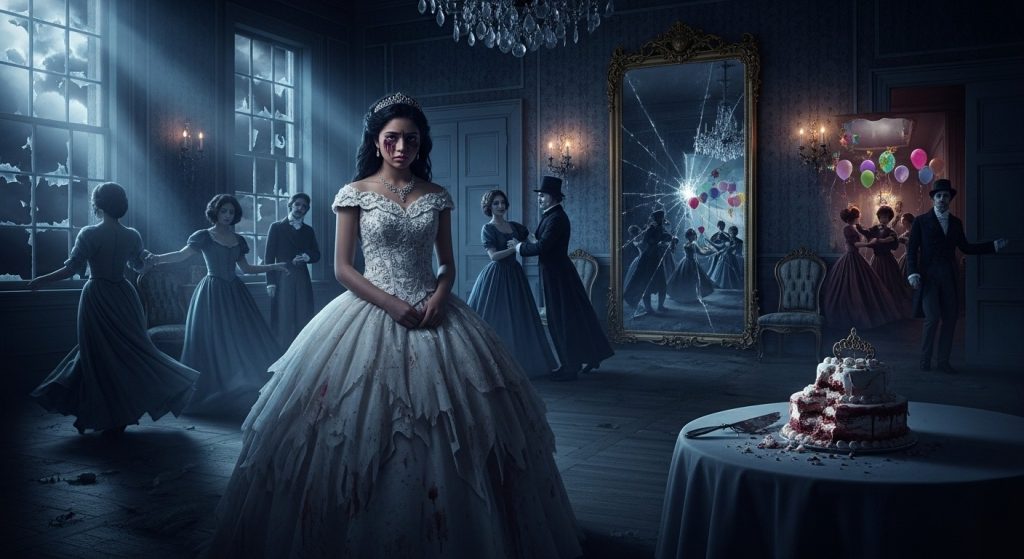
A modern quinceañera is a beautiful and detailed event. Here are the key steps:
- The Church Mass: The day starts with a religious service. The quinceañera gives thanks to God and receives a blessing from the priest.
- The Reception: After the mass, everyone goes to a party hall. There is food, music, and dancing.
- The Waltz: The quinceañera dances a special waltz with her “court of honor” and her father.
- The Symbolic Acts:
- Changing of the Shoes: Her father or a relative changes her flat shoes for high heels. This symbolizes her step into womanhood.
- The Last Doll: She is given a doll, showing this is the last toy she will receive.
- Crown and Scepter: She is crowned, showing she is the princess of her special day.
- The Fun: After the formal events, it becomes a fun dance party for everyone!
Common Misunderstandings
Let’s clear up some myths about quinceañeras.
- Myth: It’s just a big, expensive party.
- Truth: It is a deep cultural and religious tradition with centuries of history.
- Myth: It’s only a Mexican tradition.
- Truth: It is celebrated across Latin America, including Cuba, Puerto Rico, and Dominican Republic, and in Latino communities everywhere.
- Myth: The girl is being “sold” or promised for marriage.
- Truth: This is an old, outdated idea. Today, it is a celebration of life, not a marriage arrangement.
- Myth: It forces girls into traditional gender roles.
- Truth: While it has those roots, many modern quinceañeras use it to celebrate a girl’s strength, intelligence, and bright future.
Helpful Statistics
Here are some numbers to help you understand the quinceañera’s impact today.
- In the United States, families spend an average of $5,000 to $20,000 on a quinceañera. (Source: Various event planning surveys)
- An estimated 400,000 quinceañeras are celebrated each year in the U.S. and Latin America. (Source: Industry reports)
- A survey found that over 80% of Latinas in the U.S. see the quinceañera as an important way to connect with their culture. (Source: Pew Research Center data on cultural identity)
Real-Life Examples
- Maria’s Story: Maria’s family could not afford a huge party. Instead of a hall, they used their community center. Her aunt made her dress. The whole neighborhood came. Her quinceañera was not about money, but about love and community. It was one of the happiest days of her life.
- Sofia’s Story: Sofia did not want a traditional party. She asked her parents to use the money for a trip to Mexico to see the ancient Aztec and Mayan ruins. She said learning about where she came from was the best way to become a woman. Her family agreed, and it was a powerful experience for everyone.
Summary
Let’s recap the most important points about the quinceañera.
- It is a coming-of-age celebration for a girl’s 15th birthday.
- Its roots are in the ancient ceremonies of Aztec and Mayan cultures.
- Spanish colonization forced native people to blend their traditions with Catholicism.
- The tradition once had a strong focus on preparing girls for marriage.
- Modern quinceañeras can be very expensive and create social pressure.
- Today, the celebration has evolved to focus on family, culture, and a girl’s bright future.
- It remains a vital and joyful tradition for millions of people.
Frequently Asked Questions
1. What does quinceañera mean?
It means “fifteen-year-old” in Spanish, referring to the girl being celebrated.
2. Is a quinceañera like a sweet sixteen?
Yes, they are similar! Both are big birthday parties marking a girl’s transition into her later teen years.
3. Why is 15 such a special age?
In many Latin cultures, 15 was historically seen as the age when a girl became a woman, ready to take on adult responsibilities.
4. Do you have to be Catholic to have a quinceañera?
No, many non-Catholic families have a civil ceremony or a party that focuses only on the cultural aspects.
5. What is the “court of honor”?
It is a group of the quinceañera’s closest friends and family members, like bridesmaids in a wedding, who participate in the ceremony and dances.
6. What is the “changing of the shoes”?
It is a symbolic act where the girl’s flat shoes are replaced with high heels, representing her step into womanhood.
7. Are quinceañeras only for girls?
Traditionally, yes. However, some families are now creating “quinceañeros” or other celebrations for sons.
8. Why are quinceañeras so expensive?
Costs include the dress, venue, food, music, photography, and the court’s outfits, which all add up quickly.
9. Did the quinceañera come from Europe?
No, its core idea is indigenous to the Americas, though it was heavily influenced by European culture and religion.
10. What is the “last doll” (la última muñeca)?
The quinceañera is given a doll to symbolize that this is the last toy of her childhood.
11. Can a girl have a quinceañera if her parents are divorced?
Yes, absolutely. Both parents often still participate in the ceremony, like the father-daughter dance.
12. What is the main purpose of a quinceañera today?
The main purpose is to celebrate a young woman, her family, her culture, and her future.
Conclusion + Call to Action
The story of the quinceañera is a powerful one. It is a story of ancient cultures, a difficult history, and beautiful change. It shows us that traditions can grow and adapt. They can remember the past while celebrating the future.
This celebration is more than a party. It is a symbol of resilience, family love, and cultural pride. By understanding its full history—both the light and the dark—we can appreciate its true meaning even more.
The history of how societies care for and define their people is full of fascinating and sometimes difficult stories. If you enjoyed learning about the quinceañera’s past, you might be interested in exploring other historical challenges in healthcare and the ways we uncover and learn from them. Discover more articles on cultural history and the importance of truth on our website.

0 Comments