
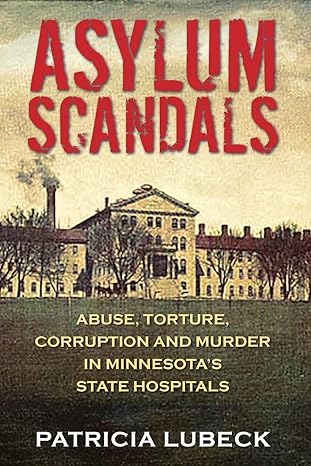

Imagine a time when feeling very sad, having trouble sleeping, or even just arguing with your spouse could land you in a locked-down facility. This was often the reality in the 1950s.
The term “insane asylum” might sound scary, but it was the common name for what we now call a state mental institution or psychiatric hospital. These places were meant to help people who were struggling with their minds. However, they were often overcrowded and lacked the knowledge we have today.
The 1950s was the post-war era, a time of big change but also limited understanding when it came to the human mind. Doctors didn’t have the modern tools or medicines we use now. Because of this, there was a lot of fear and stigma (a feeling of shame) around mental illness. If someone behaved differently, people often didn’t know what to do except send them away.
Our goal here is simple: to provide historical clarity about the Reasons for Admission to Insane Asylums in the 1950s. Many people were admitted for reasons that had little to do with what we now consider a true mental illness. Instead, admissions were often based on old medical beliefs, strict social rules, and sometimes just being inconvenient to society. This is a look back at history, not a judgment, but a way to understand how far we’ve come in caring for one another.
II. Understanding Mental Health Care in the 1950s
To understand why people were admitted, we must first understand the time itself.
A. Terminology & Social Attitudes
In the 1950s, the words used for mental health were often harsh. Terms like “insane asylum,” “lunatic,” and “feeble-minded” were common.
- Why Terms Like “Insane Asylum” Were Used: These names reflected the idea that people inside were suffering from a complete loss of reason or a permanent state of “madness.” The goal was often to keep them separate from society rather than to heal them completely.
- Stigma Surrounding Mental Health: If a family member was admitted, it was often a deeply hidden secret. People feared being judged, and mental illness was frequently seen as a personal failing or a character flaw, not a health problem.
- Gender and Cultural Biases in Diagnoses: Society was very rigid, especially about how women and minorities should act. Doctors, who were mostly men, often saw emotional distress in women as a sign of mental sickness, which led to unfair diagnoses.
B. Common Practices and Limitations
The mental health system of the 1950s faced huge challenges, mainly limited knowledge and a lack of funding.
- Lack of Evidence-Based Treatments: Doctors had few truly effective medications. The first major antipsychotic medication, Thorazine, only became widely used in the mid-1950s, and it was a game-changer—but still early. Before that, treatments were often experimental or simply focused on calming the patient down.
- Early Use of Extreme Treatments: Though shocking to us now, procedures were sometimes drastic. Treatments included:
- Electroshock Therapy (ECT): Sending small electrical currents through the brain to trigger a brief seizure.
- Insulin Therapy: Injecting patients with high doses of insulin to induce a coma.
- Lobotomies: A surgery that cut connections in the brain’s prefrontal cortex, often calming the patient but leaving them severely disabled. You can learn more about these practices and ethical questions here: Gray Zone Unethical Treatments in Psychology.
- Overcrowding and Underfunding: Asylums were bursting at the seams. In the 1950s, state mental hospitals in the U.S. housed over 500,000 patients—the highest number in history. This level of overcrowding meant limited care, high staff-to-patient ratios, and often poor living conditions.
- Institutionalization as the Default Solution: Because there were almost no outpatient clinics, support groups, or community-based services, the only real option for someone in distress was to be committed to an asylum.
III. The Most Common Reasons for Admission to Insane Asylums in the 1950s
The true Reasons for Admission to Insane Asylums in the 1950s fall into several categories, many of which would never lead to involuntary commitment today.
A. Mental Health Disorders
People with severe, recognized mental illnesses were certainly admitted, but the diagnosis was less accurate than it is now.
1. Depression and “Melancholia”
While we now know depression is a serious, treatable illness, in the 1950s, it was often deeply misunderstood.
- Often Misunderstood: Sadness, lethargy, or a lack of motivation were sometimes associated with personal weakness or a “failure of will.”
- Broad Diagnosis: “Melancholia” was a term used for deep sadness or chronic emotional distress. If a person was unable to function (work, keep house), they were institutionalized.
2. Schizophrenia and Psychosis
These were considered the classic, severe forms of “madness.”
- Poor Diagnostic Accuracy: People experiencing hallucinations, delusions, or severe disorganized thoughts were correctly diagnosed with what we now call schizophrenia or a form of psychosis. However, the lack of precise tools meant that some people with other conditions were incorrectly grouped here.
- Behaviors Seen as Dangerous: Any behavior that was highly erratic, threatening, or completely different from social norms was quickly flagged as a reason for commitment.
3. Bipolar Disorder (“Manic Depression”)
The extreme shifts in mood that define bipolar disorder (from intense high energy, or mania, to deep lows) were often labeled as irrational or disruptive. The behavior during a manic episode—like reckless spending, sleeplessness, or high-risk activity—was seen as needing institutional control.
4. Anxiety Disorders (Not Well Defined Yet)
Today, we have specific diagnoses for panic disorder, generalized anxiety, and phobias. In the 1950s, severe panic attacks or chronic worry were often misinterpreted.
- Misinterpreted as Hysteria or Neurosis: Intense physical symptoms of anxiety (racing heart, shortness of breath) were sometimes incorrectly diagnosed as a nervous breakdown or one of the many labels given to emotional distress.
B. Women-Specific Institutionalization Reasons
This category highlights some of the deepest social and gender biases of the time. Women were disproportionately admitted for reasons that reflected society’s control over their behavior.
5. “Hysteria”
This was an overused, catch-all diagnosis, primarily for women.
- Overused Catch-All: Any time a woman expressed strong emotions crying, laughing too loudly, expressing discontent with her life, or having unexplained physical symptoms it could be labeled as hysteria.
- Linked to Sexist Medical Beliefs: The concept of hysteria dates back centuries and was historically tied to the female reproductive system, suggesting women were inherently unstable or irrational.
6. Postpartum Depression (Misdiagnosed)
The profound depression and anxiety a woman experiences after childbirth was misunderstood and highly stigmatized.
- Labeled as Insanity: Instead of being treated as a hormonal or chemical imbalance, severe postpartum depression or psychosis was seen as the woman going “insane” or being an “unfit mother.”
7. Premenstrual Symptoms or Menopause
Normal life changes related to a woman’s cycle or aging were often pathologized.
- Attributed to “Female Instability”: Mood changes, irritability, or physical discomfort during these times could be presented as evidence of a greater mental breakdown, justifying institutionalization.
8. Marital Conflict or “Disobedience”
Perhaps one of the most tragic reasons for admission, a husband had significant legal power.
- Husbands Could Request Institutionalization: If a woman was too outspoken, refused sex, was suspected of cheating, or simply argued too much, a powerful husband could sometimes find a sympathetic doctor to sign commitment papers, effectively using the asylum as a tool for social control. This falls into the ethical dilemmas discussed here: Ethical Dilemmas in Mental Healthcare.
C. Social, Behavioral and “Moral” Reasons
Many people were admitted simply because their behavior was inconvenient, socially non-conforming, or considered “immoral” by 1950s standards.
9. Alcoholism or Substance Misuse
Addiction was not viewed as a disease of the brain, as it is today.
- Viewed as Moral Failure: People who drank too much or misused drugs were seen as lacking moral fiber or willpower. Asylums were sometimes used as long-term detention centers for chronic substance users, rather than specialized treatment centers.
10. Homosexuality
One of the most discriminatory reasons for admission.
- Classified as a Mental Illness: In the 1950s, being a homosexual was explicitly listed as a sociopathic personality disturbance in the era’s diagnostic manual.
- Involuntary Institutionalization: Individuals, especially young men and women whose sexuality was discovered, could be involuntarily committed and subjected to treatments designed to “cure” them, including conversion therapies. This practice continued until the 1970s when it was removed from the official list of mental disorders.
11. Criminal Behavior or Vagrancy
For minor offenses, or for people who simply had no home.
- Alternatives to Jail: Institutions were sometimes used to house individuals who committed petty crimes, were chronic wanderers (vagrancy), or were seen as general nonconformists, especially if local jails were full or deemed inappropriate.
12. Poverty or “Inability to Support Oneself”
For the poor and those without family support, the asylum became a dumping ground.
- Economic Hardship Treated as a Mental Defect: If a person was chronically unemployed, homeless, or disabled and lacked resources, they were sometimes institutionalized under the vague diagnosis of having a “defect of character” or “mental deficiency,” simply because society had no other place for them.
13. “Overwork” or Nervous Breakdown
While stress is real, the diagnosis was loose.
- Stress Response Misdiagnosed: A person experiencing extreme stress, exhaustion, or emotional collapse due to the pressures of work or family life (a “nervous breakdown”) might be committed for a period of rest and control.
D. Cognitive or Developmental Conditions
14. Intellectual Disabilities
Before modern special education and community-based services, people with intellectual disabilities had very few options.
- Institutionalized Indefinitely: Children and adults with conditions that made learning or daily life challenging were often committed for life. These institutions were not places for education or skill-building, but for permanent custody.
15. Epilepsy
This neurological condition, which causes seizures, was frequently misunderstood.
- Mistaken as a Psychiatric Issue: Because seizures can sometimes involve strange behaviors, loss of consciousness, or fits, epilepsy was often mistaken for a severe mental or spiritual problem, leading to psychiatric confinement.
E. Medical Conditions Misunderstood as Mental Illness
16. Dementia or Age-Related Conditions
The aging population had nowhere to go, and the understanding of degenerative brain conditions was poor.
- Older Adults Admitted: Today, someone with Alzheimer’s or other forms of dementia would be placed in a specialized nursing home. In the 1950s, behavioral changes and memory loss were often classified as general “insanity,” and the person was committed to the state asylum.
17. Syphilis (Neurosyphilis)
Untreated syphilis, a sexually transmitted infection, can eventually damage the brain and nervous system, leading to severe cognitive and behavioral changes.
- Cognitive Changes Mistaken for Insanity: These symptoms were often incorrectly diagnosed as a primary mental disorder, a condition known historically as general paresis of the insane (GPI), until the true cause was determined.
18. Brain Injuries
A physical trauma to the head can change a person’s personality and behavior.
- Behavioral Shifts After Trauma: Following accidents or injuries, people whose behavior became impulsive, aggressive, or disorganized were often treated as if they had a psychiatric illness rather than a physical brain injury.
F. Socially Inconvenient or Non-Conforming Behavior
19. “Inappropriate Behavior” or Public Outbursts
- Loose Definitions: The definitions of “appropriate” were very strict. A sudden emotional outburst, public drunkenness, or arguing with an authority figure could be enough to trigger a commitment process.
20. “Religious Mania” or Unusual Beliefs
- Spiritual Behavior Misunderstood: People who became extremely absorbed in their religious beliefs, claimed to speak to God, or had unusual spiritual practices were sometimes committed, as doctors mistook their intense belief for psychosis.
21. Nonconformity or Eccentricity
- Institutionalized for Being Different: In the rigid social structure of the 1950s, simply being too eccentric, unconventional, or unable to fit in could lead to institutionalization. The asylum was a place to put anyone the community didn’t want to deal with.
IV. How Institutionalization Worked in the 1950s
The process of admission in the 1950s had very few legal protections for the individual.
A. Who Could Commit Someone?
Commitment was often an easy process for those in power, and difficult to fight for the patient.
- Spouses or Parents: In many states, a direct relative could petition for commitment, sometimes with just the signature of one or two doctors.
- Doctors: A doctor could sometimes deem a person a threat to themselves or others, leading to emergency confinement.
- Police or Court System: The legal system was another main entryway, often sending people who had broken minor laws or were simply found wandering.
- Very Little Patient Rights or Due Process: There were minimal rights for the patient to challenge their commitment. Once inside, getting out was incredibly difficult, often requiring a doctor to sign off on the person’s full recovery. This system created unintentional scandals and ethical lapses: Unintentional Legal and Ethical Lapses Asylum Scandals.
B. The Admission Process
The process was swift and often terrifying.
- Evaluations: A quick meeting with a doctor, often lasting only a few minutes, would determine a person’s fate. The lack of standardized testing meant the doctor’s personal bias played a huge role.
- Paperwork: Simple forms were filled out, classifying the person and often labeling them with a broad, vague diagnosis.
- Immediate Confinement: The patient was usually taken directly to the closed wards of the state asylum.
- Minimal Appeals: Once inside, a patient was in the institutional hierarchy, and appeals for release were rare and difficult to pursue, leaving many locked away in silence for decades: Locked Away in Silence.
V. What Life Inside a 1950s Asylum Was Like
Life inside the asylum was stark, regimented, and often focused on maintaining order over providing therapy.
A. Living Conditions
- Overcrowded Wards: With patient numbers at an all-time high, wards were densely packed. Patients slept in rows of beds, and privacy was non-existent.
- Limited Staffing: A major issue was the lack of trained nurses and aides. In some state hospitals, the ratio of patients to staff was as high as 300:1 in certain shifts, making individual attention impossible.
- Poor Hygiene and Nutrition: Because of underfunding and overcrowding, conditions could be poor. Basic necessities were sometimes lacking, and the focus was on mass-feeding and mass-care.
B. Treatments Used
While some treatments were genuinely intended to help, others were used more to control or subdue patients.
- Electroconvulsive Therapy (ECT): Still widely used, often without anesthesia or proper consent, making it a frightening experience.
- Lobotomies: Though their use peaked in the late 1940s, they were still performed in the 1950s to calm agitated or aggressive patients, leading to profound and permanent personality changes. You can read more about these past treatments here: Insane Asylum Treatments.
- Restraints: Physical restraints, such as straightjackets and leather cuffs, were common methods used to manage patients who were agitated or violent.
- Sedatives: Heavy use of drugs like barbiturates was common to keep patients calm, often leaving them in a drowsy, non-responsive state.
C. Rehabilitation and Occupation
While not the main focus, some therapeutic activities existed.
- Work Therapy: Patients were often required to work in the asylum’s laundry, kitchens, or farms. This was seen as therapeutic but also provided the institution with free labor.
- Art, Minimal Talk Therapy: True, deep psychotherapy was rare. There might be some organized art, music, or group activities, but the focus was on routine and order, not deep emotional healing.
VI. Why These Reasons No Longer Apply Today
The vast majority of the reasons for admission in the 1950s are no longer valid for involuntary commitment today. Our understanding of the mind has changed completely.
A. Evolution of Psychiatry
- DSM Development: The creation of the Diagnostic and Statistical Manual of Mental Disorders (DSM), which was first published in 1952 (DSM-I), was a start, but later editions brought far more accurate and specific definitions. We now use standardized, evidence-based diagnoses.
- Evidence-Based Diagnosis: Modern psychiatry relies on scientific research, brain scans, and clinical trials—not social or moral judgments—to make a diagnosis.
B. Legal Protections and Patient Rights
The 1960s and 1970s brought significant legal reforms.
- Involuntary Commitment Laws: It is now incredibly difficult to involuntarily commit someone. It requires clear and convincing evidence that the person is an imminent threat to themselves or others. A spouse, parent, or doctor cannot simply sign papers to have a person locked away.
- Ethical Standards: Modern ethical guidelines demand patient consent, full disclosure of treatment risks, and humane care.
C. Modern Understanding of Mental Health
- Depression and Anxiety Reclassified: These are understood as common, treatable medical conditions managed with therapy and medication, not reasons for confinement.
- Homosexuality Removed from DSM: In 1973, the American Psychiatric Association removed homosexuality from its list of disorders.
- Postpartum Depression Recognized Accurately: It is now seen as a medical issue requiring support and treatment, often with therapy and modern medicine. The struggles of mothers are now being recognized: The Silent Struggle.
VII. Case Studies or Notable Historical Examples
The 1950s commitment system resulted in many tragic stories. For example, the case of Rosemary Kennedy, sister of President John F. Kennedy, is a powerful and famous example. Due to behavioral issues, she was institutionalized after receiving a lobotomy in 1941, a treatment that was still used in the 1950s. Her story illustrates the power families had and the dangerous uncertainty of medical treatments at the time.
Many individuals in the LGBTQ+ community were also sent away simply because their identity was deemed “mentally ill.” These cases highlight how medical authority was used to enforce strict social rules, leading to decades of pain and silence for those who were merely different.
VIII. Conclusion
Looking back at the Reasons for Admission to Insane Asylums in the 1950s shows us a world far different from our own. It was a time when:
- Psychiatric knowledge was limited.
- Social norms dictated what was “sane” and what was “insane.”
- The asylum was the default solution for poverty, nonconformity, and emotional distress.
The dark history of institutions reflects the limitations of that era, showing us what happens when fear and social control mix with limited medical knowledge. The key takeaway is the profound importance of humane mental health care today care based on science, respect, and fundamental human rights.
If you are interested in exploring this history further, you can find more information here: Inside the Asylum.
IX. FAQs Section (SEO Boost)
1. What were the most common reasons people were admitted to asylums in the 1950s?
The most common reasons for admission fell into three categories:
- Severe Mental Illness: Conditions like schizophrenia and psychosis.
- Misdiagnosed Conditions: Severe depression, anxiety, epilepsy, and early-stage dementia.
- Social Nonconformity: Being homosexual, being an outspoken or “disobedient” wife, chronic alcoholism, and poverty (inability to support oneself). Socially inconvenient behavior was a massive driver of admissions.
2. Could women be institutionalized against their will?
Yes. Women were disproportionately institutionalized for non-medical reasons linked to gender bias. Conditions like “hysteria,” postpartum emotional distress, and simply arguing with a husband or parent could lead to involuntary commitment. The legal system offered very little protection for the woman, making it easy for male relatives to initiate the process.
3. Were physical illnesses mistaken for mental disorders?
Absolutely. Because diagnostic tools were primitive, conditions that affect the brain but are physical in nature were frequently mistaken for mental illness. The best examples are advanced syphilis (neurosyphilis) and undiagnosed epilepsy. These physical ailments were often lumped under a general diagnosis of insanity.
4. What treatments were used in 1950s asylums?
Treatments were often harsh and focused on controlling the patient. The most common procedures included:
- Electroconvulsive Therapy (ECT): Used to treat severe depression and psychosis.
- Sedative Medications: Heavy use of drugs to keep patients calm and compliant.
- Hydrotherapy: Using hot or cold baths for long periods to calm patients.
- Lobotomies: A dangerous surgery that was still performed to eliminate symptoms of agitation, often with devastating side effects.
5. How are mental health admissions different today?
The system today is fundamentally different due to legal reforms and scientific progress.
- Strict Criteria: Involuntary commitment is reserved only for individuals who pose an imminent, provable danger to themselves or others.
- Deinstitutionalization: Most people receive care in their communities through outpatient therapy, clinics, and psychiatric wards, not long-term state asylums.
- Advanced Medicine: Modern medications and evidence-based talk therapies are effective for treating conditions that once required institutionalization.
X. Suggested Internal Linking Opportunities
To continue learning about the history and ethical concerns surrounding this topic, explore the following articles:
- The Power of Institutions: History of mental health treatment in the 1900s
- Controversial Procedures: Controversial medical practices through history
- Ethical Concerns of the Past: Why people were institutionalized in the early 1900s
- The Asylum in Culture: Films that are set in abandoned asylums

0 Comments